

Turkey grants visa-free entry to citizens of over 100 countries for tourism purposes. Stay durations range from 30 to 90 days depending on nationality, with passport validity requirements of at least 60 days beyond your planned stay. This guide covers every country, condition, and requirement for visa-free travel to Turkey.
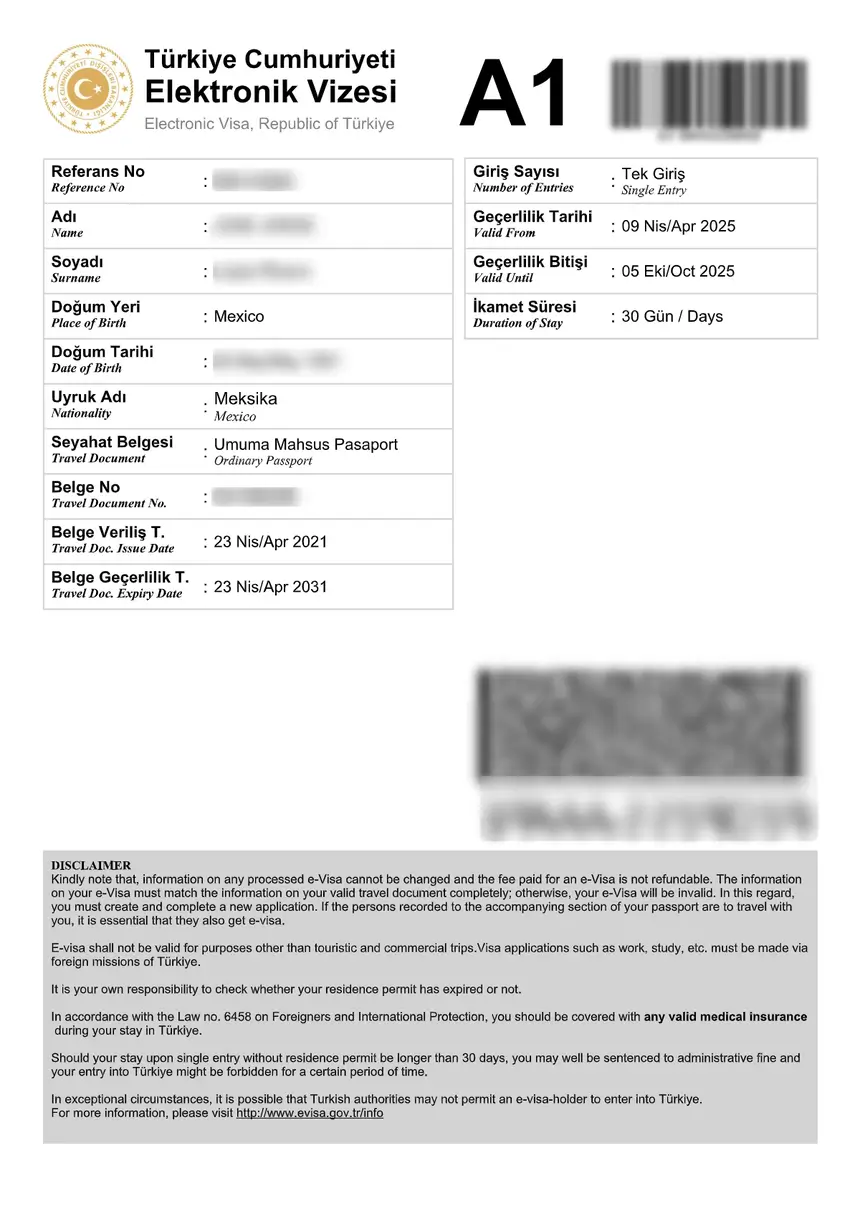
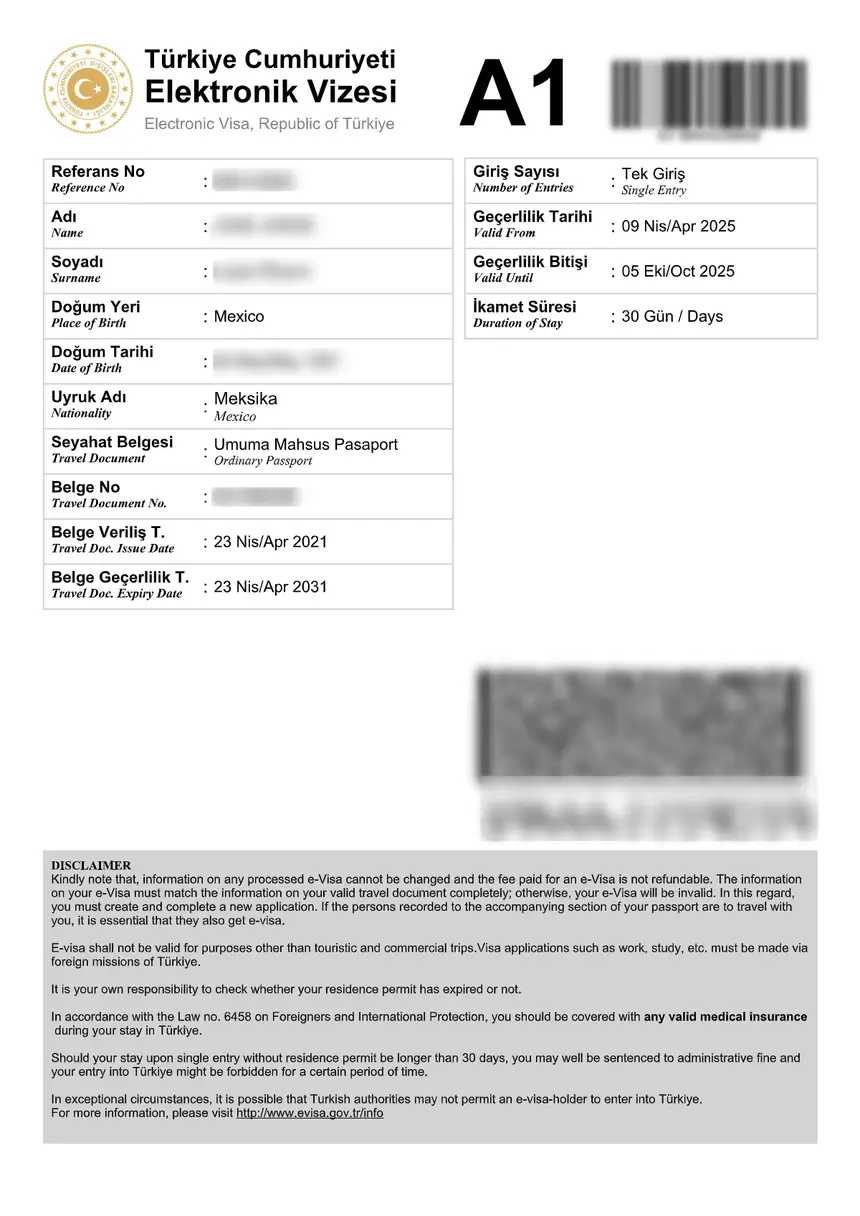
Countries That Can Enter Turkey Without a Visa
Over 100 nationalities can enter Turkey visa-free for tourism, with stays of 30, 60, or 90 days. Turkey’s visa-free policy is one of the most generous in the region, welcoming travelers from Europe, Latin America, Asia, and the Middle East without requiring a pre-arranged visa.
90-Day Visa-Free Countries
Citizens of the following countries can visit Turkey without a visa for up to 90 days within any 180-day period. This is the standard duration for most visa-free nationalities.
European Union (except Cyprus and Latvia):
Austria, Belgium, Bulgaria, Croatia, Czech Republic, Denmark, Estonia, Finland, France, Germany, Greece, Hungary, Ireland, Italy, Lithuania, Luxembourg, Malta, Netherlands, Poland, Portugal, Romania, Slovakia, Slovenia, Spain, Sweden.
Other European countries:
Albania (tourism only), Andorra, Bosnia and Herzegovina, Iceland, Kosovo (tourism only), Liechtenstein, Moldova, Monaco, Montenegro, North Macedonia, Norway (tourism only), San Marino, Serbia (tourism only), Switzerland, Ukraine, United Kingdom (tourism only), Vatican City.
Latin America:
Argentina, Belize, Bolivia, Brazil, Chile, Colombia, Ecuador, El Salvador, Guatemala, Honduras, Nicaragua, Panama, Paraguay, Peru, Trinidad and Tobago, Uruguay, Venezuela.
Asia and Middle East:
Azerbaijan, Hong Kong, Iran, Israel, Japan, Jordan (tourism only), Kazakhstan, Kuwait, Kyrgyzstan, Lebanon (tourism only), Malaysia, Qatar (tourism only), Singapore, South Korea, Tajikistan, Tunisia, Uzbekistan.
Other:
Georgia (with national ID), Morocco, New Zealand, Saint Kitts and Nevis, Seychelles.
60-Day Visa-Free Countries
Russia is the primary country with a 60-day visa-free stay within a 180-day period. This exemption does not apply to journalists or service passport holders. Russian citizens can enter Turkey multiple times within the 180-day period, but the total stay cannot exceed 90 days.
30-Day Visa-Free Countries
Some nationalities receive a shorter 30-day visa-free stay. This typically applies to countries with more recent bilateral agreements or specific diplomatic arrangements. Always verify your specific duration on the Turkish Ministry of Foreign Affairs website before traveling.
Special Conditions by Nationality
Several countries have specific conditions attached to their visa-free access:
- Albania, Jordan, Kosovo, Lebanon, Norway, Qatar, Serbia, United Kingdom: Tourism purposes only. Business activities beyond casual meetings may require an eVisa or sticker visa.
- Georgia, Moldova, Ukraine: Can enter with a national ID card instead of a passport.
- Switzerland: Can enter with an ID card and an expired passport of up to 5 years.
- Algeria: Citizens under 15 or over 50 years old are visa-free for 90 days. Citizens aged 15-50 need a visa unless they hold a valid Schengen, US, UK, or Ireland visa or residence permit.
Turkey Visa-Free Duration of Stay
Visa-free visitors can stay 30, 60, or 90 days depending on nationality, with a 90-day limit within any 180-day period. Understanding the 180-day rolling window is essential to avoid overstaying.
How the 180-Day Rule Works
The 180-day period is a rolling window, not a fixed calendar period. This means:
- Example A: If you enter Turkey on January 1 with a 90-day visa-free allowance, you can stay until March 31 (90 days). However, you cannot re-enter until July 1, when the 180-day window from January 1 has passed.
- Example B: If you visit Turkey for 30 days in January, then 30 days in March, then 30 days in May, you have used your full 90-day allowance within the 180-day window starting from your first entry. You must wait until the 180-day period from your first entry expires before re-entering.
Calculating Your Allowed Stay
To calculate your remaining visa-free days:
- Count back 180 days from today
- Add up all days spent in Turkey during that period
- Subtract from your allowed duration (30, 60, or 90 days)
- The result is your remaining visa-free days
This calculation applies regardless of how many separate trips you make within the 180-day window.
Entry Requirements for Visa-Free Travel to Turkey
Visa-free entry requires a valid passport with 60 days validity beyond your stay and proof of return travel. While Turkey does not require a visa for visa-free nationalities, border officers still verify several documents.
Passport Validity Rules
Under Law No. 6458 (Law on Foreigners and International Protection), your passport must be valid for at least 60 days beyond the duration of your visa-free stay.
- Example A: For a 90-day visa-free stay, your passport must be valid for at least 150 days (90 + 60) from your entry date.
- Example B: For a 30-day visa-free stay, your passport must be valid for at least 90 days (30 + 60) from your entry date.
Exceptions: Citizens of countries who can enter with a national ID (Georgia, Moldova, Ukraine, some EU countries) and holders of diplomatic or official passports are exempt from this 60-day rule.
Documents You Need at the Border
When entering Turkey visa-free, have these documents ready:
- Valid passport (or national ID for eligible countries)
- Return or onward ticket (proof you plan to leave within your allowed stay)
- Accommodation proof (hotel reservation, invitation letter, or rental agreement)
- Sufficient funds (credit cards, cash, or bank statements)
- Travel insurance (recommended but not always checked)
Border officers may ask about your travel plans, accommodation, and return date. Having printed copies of your bookings speeds up the entry process.
Turkey Visa-Free vs eVisa – Key Differences
Visa-free entry skips the online application, while eVisa costs $20-$60 and takes 3 minutes to obtain. Understanding the difference helps you choose the right option for your trip.
Comparison Table
| Feature | Visa-Free Entry | Turkey eVisa |
|---|---|---|
| **Application** | None required | Online at evisa.gov.tr |
| **Cost** | Free | $20-$60 USD |
| **Processing time** | Instant (at border) | ~3 minutes |
| **Stay duration** | 30, 60, or 90 days | 30 or 90 days |
| **Purpose** | Tourism, transit | Tourism, commerce |
| **Multiple entry** | Yes (within 180 days) | Yes (within 180 days) |
| **Work permitted** | No | No |
| **Study permitted** | No | No |
When to Use eVisa
You need a Turkey eVisa if:
- Your country is not on the visa-free list
- You want to engage in commercial activities (trade fairs, business meetings beyond casual tourism)
- You prefer the security of having a pre-approved visa before traveling
eVisa fees vary by nationality: US citizens pay $50, UK citizens pay $20, and Canadian citizens pay $60. Check the current Turkey eVisa fees for your specific nationality.
When Visa-Free is Better
Visa-free entry is preferable if:
- Your country qualifies for visa-free access
- You are traveling purely for tourism
- You want to avoid the online application process
- You are making a spontaneous trip without time to apply
Overstaying Your Visa-Free Period in Turkey
Overstaying results in fines, deportation, and potential re-entry bans ranging from months to years. Turkey takes immigration violations seriously, and overstaying your visa-free period has real consequences.
Penalties for Overstaying
| Duration Overstayed | Penalty |
|---|---|
| **1-15 days** | Fine (varies by nationality), possible warning |
| **16-90 days** | Fine, possible entry ban of 1-5 years |
| **Over 90 days** | Deportation, entry ban of 5+ years, potential criminal charges |
Fines are calculated per day overstayed and vary by nationality. Some nationalities face higher fines than others. You may be detained at the airport until the fine is paid.
How to Avoid Overstaying
- Track your days carefully – Use a calendar or app to count your visa-free days
- Leave before your limit – Don’t wait until the last day; unexpected delays happen
- Apply for an extension – If you need more time, visit the Provincial Directorate of Migration Management before your stay expires
- Convert to a residence permit – If you plan to stay long-term, apply for a residence permit at the local police department
Consequences of Overstaying
Beyond fines and bans, overstaying can affect:
- Future visa applications to Turkey
- Visa applications to other countries (shared immigration databases)
- Your ability to enter Turkey for years
- Your legal status if stopped by police during your overstay
Can You Work or Study in Turkey Without a Visa?
Visa-free entry only permits tourism and transit; work and study require separate permits from Turkish embassies. This is one of the most misunderstood aspects of Turkey’s visa-free policy.
Activities Allowed Under Visa-Free Entry
Under visa-free status, you can:
- Sightseeing and tourism
- Visiting friends and family
- Attending business meetings and conferences (casual)
- Transit through Turkey to another country
- Shopping and entertainment
Under visa-free status, you cannot:
- Work (even remotely for a foreign employer)
- Study at any educational institution
- Engage in paid activities
- Conduct research or filming (requires special permit)
- Volunteer work (may require permit)
Getting a Work Permit
To work in Turkey, you must:
- Apply at the nearest Turkish embassy or consulate before entering Turkey
- Submit your passport, visa application form, and employer letter
- Your employer submits additional documents to the Turkish Ministry of Labour within 10 working days
- Processing takes up to 30 days
- After arrival, register at the local police department within 1 month
For more details, see our Turkey work visa guide.
Getting a Student Visa
To study in Turkey, you must:
- Apply for a student visa at a Turkish embassy before travel
- Provide your university acceptance letter
- Apply for a student residence permit within 30 days of arrival
- Student residence permits are valid for up to 1 year and renewable
Student visa fees range from $50-$100 depending on nationality. Processing takes 5-15 business days (up to 30 days during peak season).
FAQ (Frequently Asked Questions)
Which countries can enter Turkey without a visa?
Over 100 countries can enter Turkey visa-free, including all EU member states (except Cyprus and Latvia), the United Kingdom, most Latin American countries, Japan, South Korea, Singapore, Malaysia, and several Middle Eastern nations. The duration of stay varies by nationality: most receive 90 days, Russia receives 60 days, and some nationalities receive 30 days.
How long can I stay in Turkey without a visa?
The duration depends on your nationality. Most visa-free visitors can stay up to 90 days within any 180-day period. Russian citizens can stay 60 days within 180 days. Some nationalities are limited to 30 days. The 180-day period is a rolling window, so you must track your total days carefully.
Do Americans need a visa for Turkey?
Yes, US citizens need a visa to enter Turkey. They are not on the visa-free list but can easily obtain an eVisa online at evisa.gov.tr for $50 USD. The eVisa allows stays of up to 90 days and takes approximately 3 minutes to process.
What is the difference between visa-free and eVisa for Turkey?
Visa-free entry means you can enter Turkey without any pre-arranged visa – you simply show up at the border with your passport. eVisa requires an online application before travel, costs $20-$60 depending on nationality, and takes about 3 minutes to obtain. Both allow tourism, but eVisa also covers commercial activities.
What happens if I overstay my visa-free period in Turkey?
Overstaying results in fines calculated per day, potential entry bans of 1-5+ years, and possible deportation. For stays of 1-15 days over the limit, you may receive a fine and warning. For 16-90 days overstayed, expect a fine and entry ban. Over 90 days can result in deportation and a ban of 5+ years.
Can I work in Turkey without a visa?
No. Visa-free entry only permits tourism and transit activities. To work in Turkey, you must apply for a work permit at a Turkish embassy or consulate before entering the country. Working without a permit is illegal and can result in deportation and future visa bans.
Do I need a return ticket for visa-free entry to Turkey?
While not always strictly checked, having a return or onward ticket is recommended and may be requested by border officers. It serves as proof that you intend to leave Turkey within your allowed visa-free period. Having printed copies of your travel bookings speeds up the entry process.
Can I extend my visa-free stay in Turkey?
You cannot extend a visa-free stay directly. If you need more time, you must leave Turkey and re-enter (respecting the 180-day rule), or apply for a residence permit at the Provincial Directorate of Migration Management before your visa-free period expires. Converting to a residence permit allows longer stays.
Is travel insurance required for visa-free Turkey entry?
Travel insurance is not strictly required for visa-free entry to Turkey, but it is strongly recommended. Some border officers may ask for proof of insurance, and having coverage protects you against medical emergencies, trip cancellations, and other unexpected events during your stay.
Can I re-enter Turkey after my visa-free period ends?
You can re-enter Turkey after your visa-free period ends, but you must respect the 180-day rolling window. If you have used your full 90-day allowance, you must wait until the 180-day period from your first entry expires before re-entering. Partial stays allow earlier re-entry based on remaining days.
Last updated: July 2026
Sources: Turkish Ministry of Foreign Affairs, Republic of Türkiye eVisa Portal, Law No. 6458 on Foreigners and International Protection