
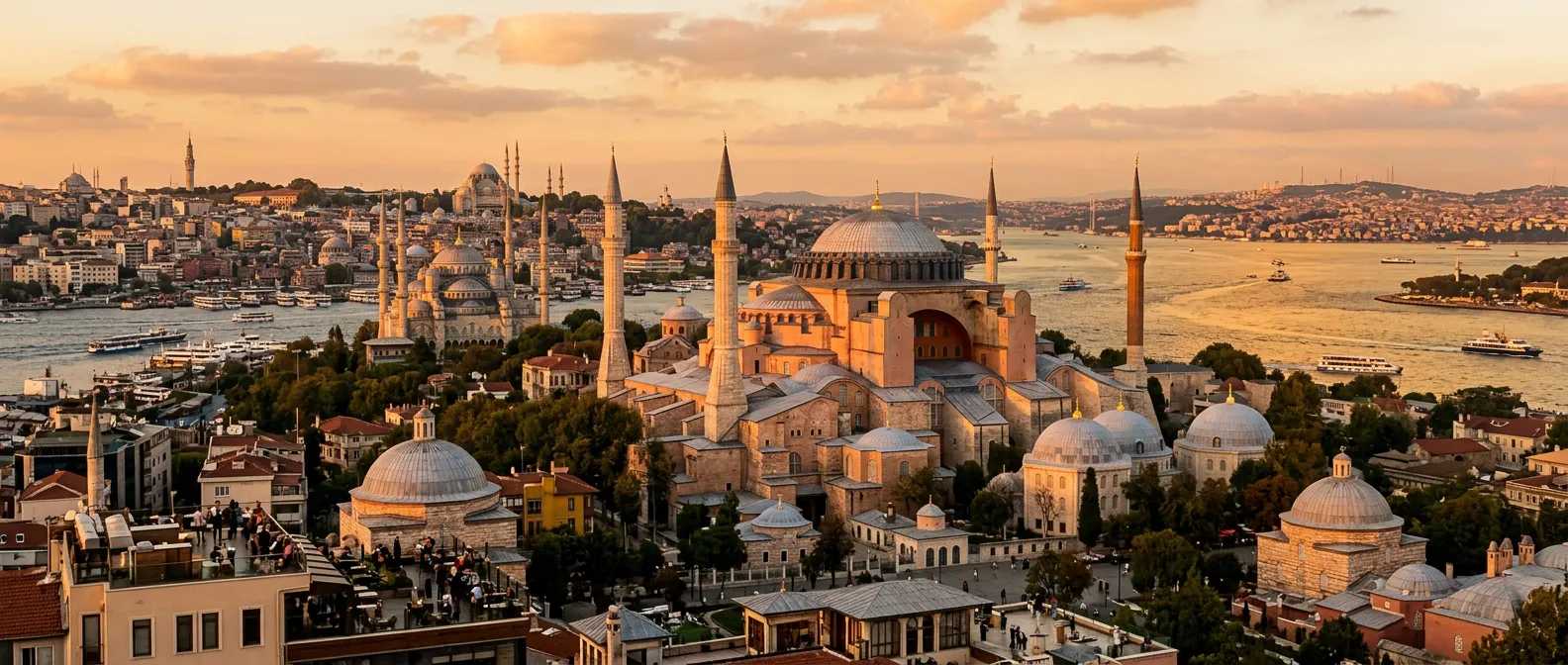
Planning a trip to Turkey? Between the ancient ruins of Ephesus, the fairy chimneys of Cappadocia, and the bustling bazaars of Istanbul, there is no shortage of incredible experiences waiting for you. But before you pack your bags, one important question deserves attention: do you need travel insurance for Turkey?
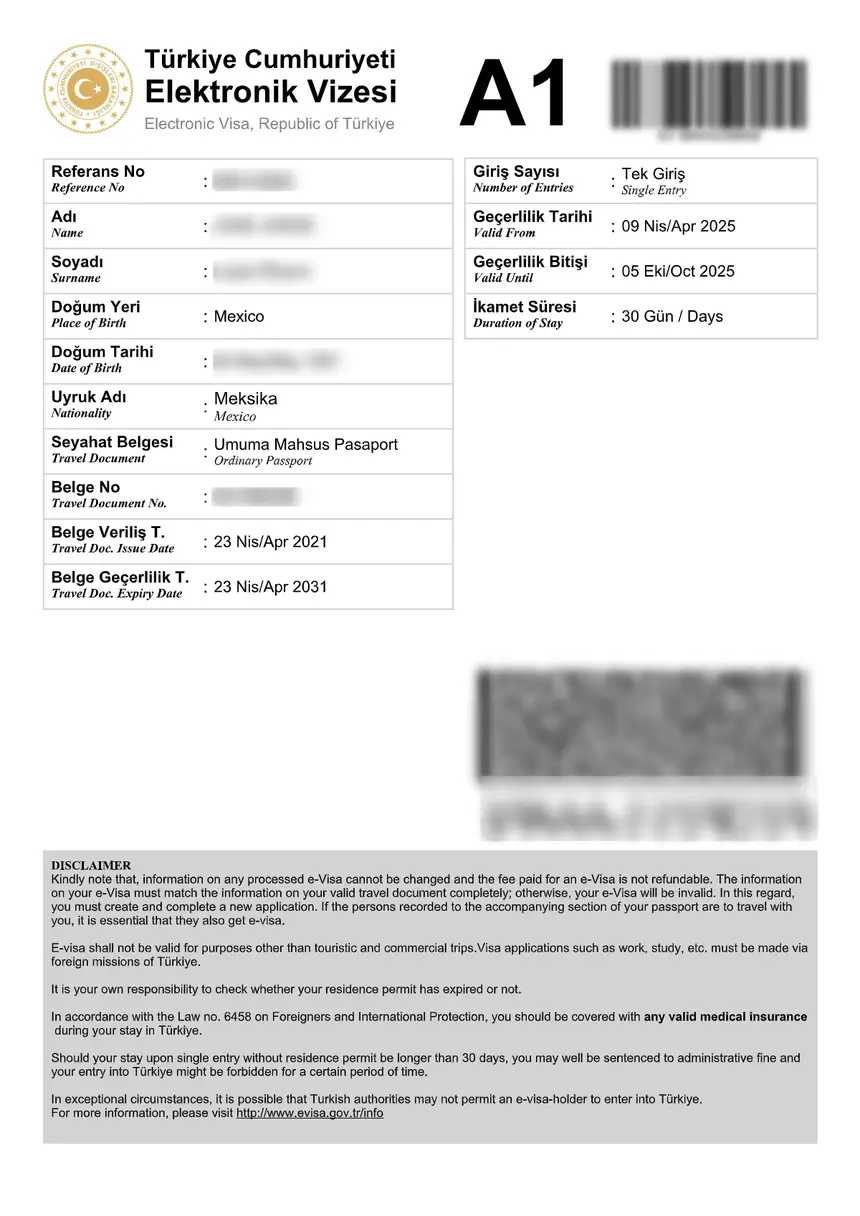
This guide covers everything you need to know about Turkey travel insurance in 2026 – whether it is required, what it costs, what it covers, and how to choose the right policy for your trip.
Do You Need Travel Insurance for Turkey?
The short answer is: travel insurance is not legally required for most visitors entering Turkey on a tourist visa or visa-free entry. Unlike some countries that mandate proof of insurance at the border, Turkey does not check for travel insurance as a condition of entry for short-stay tourists.
However, “not required” does not mean “not important.” Here is why travel insurance is strongly recommended for Turkey:
- Your domestic health insurance will not work in Turkey. If you are coming from the United States, your health insurance – including Medicare – is not accepted at Turkish hospitals or clinics. The same applies to most European and other international health plans.
- Turkey hospitals often require upfront payment. According to the U.S. Embassy in Turkey, foreign travelers are typically asked to pay for medical services out of pocket before treatment. A single hospital stay can cost thousands of dollars.
- Turkey has real travel risks. From earthquakes and seasonal wildfires to pickpocketing in tourist areas and occasional flight disruptions, Turkey presents a variety of scenarios where insurance can save you significant money and stress.
Even though you can enter Turkey without travel insurance, the U.S. Department of State travel advisory for Turkey strongly recommends purchasing insurance before your trip.
Turkey Travel Insurance Requirements by Visa Type
Whether or not you need travel insurance depends on the type of visa or entry authorization you use to visit Turkey:
| Visa/Entry Type | Insurance Required? | Notes |
|---|---|---|
| eVisa (tourism/business) | Not required | Available to 100+ nationalities; no insurance proof needed |
| Visa-free entry (up to 90 days) | Not required | Covers citizens of the US, UK, EU, and many other countries |
| Tourist sticker visa | Varies by consulate | Some consulates may request proof of insurance |
| Student visa | Often required | Universities and consulates may require health insurance documentation |
| Work visa | Often required | Employers typically arrange Turkish social security; supplementary insurance recommended |
| Residence permit | Required | Proof of health insurance is needed for residence permit applications |
If you are entering Turkey on an eVisa or through visa-free entry for tourism, you do not need to show proof of insurance at the border. However, holders of student visas and work visas should confirm their insurance requirements with the Turkish consulate or their sponsoring institution.
What Does Turkey Travel Insurance Cover?
A comprehensive travel insurance policy for Turkey typically includes the following coverage areas. For details on Turkey visa fees and application costs, visit our dedicated guides.
Emergency Medical Coverage
This is the most critical component. It covers unexpected illness or injury during your trip, including:
- Hospital stays and surgery
- Doctor visits and consultations
- Prescription medications
- Diagnostic tests (X-rays, blood work)
- Ambulance services
Recommended minimum: $50,000 in emergency medical coverage. Given that a single hospital stay in Turkey can easily cost $2,000-$5,000 or more, this coverage is essential.
Medical Evacuation
If you suffer a serious injury in a remote area – such as hiking in Cappadocia, exploring Mount Ararat, or visiting southeastern Turkey – emergency medical evacuation may be necessary. These services are extremely expensive, often exceeding $50,000.
Recommended minimum: $100,000 in medical evacuation coverage. Some policies also cover repatriation to your home country in case of serious illness or death.
Trip Cancellation and Interruption
If unforeseen events force you to cancel or cut your trip short – such as illness, injury, family emergency, or jury duty – this coverage reimburses your non-refundable travel costs including flights, hotels, and prepaid tours.
Comprehensive policies typically cover up to 100% of insured trip costs for cancellations and up to 150% for interruptions (to cover rebooking expenses).
Baggage and Personal Belongings
Tourist areas like Istanbul’s Grand Bazaar, Taksim Square, and Cappadocia’s hot air balloon launch sites are known for pickpocketing. This coverage reimburses you for lost, stolen, or damaged personal items including:
- Passports and travel documents
- Electronics (phones, cameras, laptops)
- Luggage lost by airlines
- Personal valuables
Travel Delay
Istanbul Airport (IST) and Sabiha Gökçen Airport (SAW) are among the busiest in the world, and flight delays are common – especially for connecting flights. Travel delay coverage reimburses you for:
- Hotel stays during extended delays
- Meals and essential purchases
- Rebooking costs for missed connections
How Much Does Turkey Travel Insurance Cost?
The cost of travel insurance for Turkey depends on several factors including your age, trip length, total trip cost, and the level of coverage you choose.
Here is a general pricing breakdown based on industry data:
| Coverage Type | Typical Cost (10-day trip) | Per Day | What It Includes |
|---|---|---|---|
| Medical-only | $27-$50 | $2.70-$5/day | Emergency medical + evacuation only |
| Basic comprehensive | $88-$115 | $9-$12/day | Medical + cancellation + baggage |
| Full comprehensive | $150-$350 (16-day trip) | $10-$22/day | All coverages with higher limits |
Key pricing factors:
- Age: Older travelers pay more due to higher medical risk
- Trip cost: The more you have prepaid (flights, hotels, tours), the higher the cancellation coverage cost
- Trip length: Longer trips cost more to insure
- Coverage level: Medical-only is the cheapest; comprehensive with Cancel For Any Reason (CFAR) is the most expensive
- Pre-existing conditions: Some policies cover pre-existing conditions if purchased within 14-21 days of your initial trip deposit
As a general rule, expect to pay 4-10% of your total prepaid, non-refundable trip cost for a comprehensive travel insurance policy.
Recommended Coverage Levels for Turkey
Based on Turkey-specific risks and healthcare costs, here are the recommended minimum coverage amounts:
| Coverage Type | Recommended Minimum | Why |
|---|---|---|
| Emergency Medical | $50,000 | Covers hospital stays and emergency treatment in Turkish private hospitals |
| Medical Evacuation | $100,000 | Covers air ambulance from remote areas like Cappadocia or eastern Turkey |
| Trip Cancellation | 100% of trip cost | Reimburses all non-refundable expenses if you cancel for a covered reason |
| Trip Interruption | 150% of trip cost | Covers rebooking and return transportation if you must go home early |
| Baggage Loss | $1,000-$2,500 | Replaces stolen electronics, passports, and personal items |
| Travel Delay | $500-$1,000 | Covers hotel and meals during extended flight delays |
If you plan to do adventure activities in Turkey – such as paragliding in Oludeniz, hot air ballooning in Cappadocia, or scuba diving – make sure your policy explicitly covers these activities. Many standard policies exclude hazardous sports.
What Is Not Covered by Turkey Travel Insurance
Understanding policy exclusions is just as important as knowing what is covered. Review the Turkey visa requirements to understand your specific entry conditions. Most standard travel insurance policies for Turkey will not cover:
- Known events: If a weather event, airline strike, or political situation is publicly announced before you buy your policy, related claims may be denied
- Pre-existing medical conditions: Most policies exclude these unless you purchase a waiver (usually within 14-21 days of your initial trip deposit)
- Adventure and extreme sports: Paragliding, bungee jumping, and off-piste skiing are typically excluded unless you add adventure sports coverage
- Government travel advisories: If your government issues a travel ban to Turkey, most policies will not cover trip disruptions related to that ban
- Elective medical procedures: Turkey is famous for cosmetic surgery, dental work, and hair restoration, but these elective procedures are excluded from travel insurance
- Self-inflicted injuries or illegal activity: Claims resulting from breaking local laws or reckless behavior are not covered
- Alcohol or drug-related incidents: Medical costs or damages caused while intoxicated are typically excluded
Always read your policy’s Certificate of Insurance carefully before purchasing to understand exactly what is and is not covered.
Travel Risks in Turkey
Turkey is generally a safe and welcoming destination for tourists, but it does present specific travel risks worth considering:
Health and Safety
- Hospitals: Turkey has well-equipped hospitals, especially in major cities like Istanbul, Ankara, and Izmir. However, rural areas may have limited facilities.
- Stray animals: Turkey has an abundance of stray cats and dogs. While they are often friendly, animal-borne diseases and parasites are present. Keep a safe distance.
- Emergency number: Turkey’s emergency number is 112. Save it in your phone before your trip.
Natural Disasters
- Earthquakes: Turkey sits on major fault lines and experiences seismic activity regularly. The devastating 2023 earthquakes in southeastern Turkey highlight this ongoing risk.
- Wildfires: Seasonal wildfires can affect coastal areas, particularly along the Mediterranean and Aegean coasts during summer months.
Security Concerns
- Pickpocketing: Tourist-heavy areas like Istanbul’s Grand Bazaar, Sultanahmet district, Taksim Square, and Cappadocia are common targets for pickpockets and scam artists.
- Demonstrations: Occasional protests occur in major cities. The Turkish government generally maintains order, but it is wise to avoid demonstration areas.
- Border areas: Most governments advise against travel to areas within 10 km of the Turkey-Syria border due to ongoing security concerns.
Travel Disruptions
- Flight delays: Istanbul’s airports are among the busiest in Europe, and delays are common – especially for connecting flights.
- Domestic transport: Turkey’s domestic flight network is extensive, but buses and long-distance transport can experience significant delays.
How to Choose the Best Travel Insurance for Turkey
Selecting the right travel insurance policy requires balancing coverage, cost, and your specific needs. If you are still in the planning phase, check our guide on how to apply for a Turkey visa. Here is a step-by-step approach:
1. Assess Your Trip Details
Before comparing policies, gather this information:
- Total prepaid, non-refundable trip cost (flights, hotels, tours, activities)
- Your age and health status
- Planned activities (especially adventure sports)
- Trip length and destinations within Turkey
2. Determine Your Coverage Needs
- Budget travelers: Medical-only coverage ($27-$50 for a 10-day trip) provides essential protection at the lowest cost
- Standard travelers: Comprehensive coverage ($88-$150) adds trip cancellation and baggage protection
- High-value trips: Full comprehensive coverage with CFAR ($150-$350+) provides maximum flexibility
3. Compare Multiple Providers
Do not buy the first policy you find. Compare quotes from at least three providers, paying attention to:
- Coverage limits (especially medical and evacuation)
- Deductibles and excess amounts
- Exclusions and activity restrictions
- Claims process and customer reviews
- 24/7 assistance availability
4. Check for Pre-existing Condition Coverage
If you have any pre-existing health conditions, look for policies that offer waivers. These are typically available if you purchase within 14-21 days of your initial trip deposit.
5. Consider Adventure Activity Coverage
Planning to hot air balloon over Cappadocia or paraglide from Babadag Mountain? Confirm your policy covers these activities. Standard exclusions often include:
- Hot air ballooning
- Paragliding
- Scuba diving (below certain depths)
- Motorcycle riding
- Rock climbing